As we have seen that globalization is driven a lot by the development and influence of technology. According to the World Health Organization, “globalization has reduced cost of making transactions (exchanges) across borders and distances, as well as the increased mobility of capital” (World Health Organization, 2014). Since this we have seen that globalization can also be linked to not economic growth. When we talk about Economic Globalization what are we referring to? The World Health Organization, or WHO, says that, “Economic globalization is generally associated with neo-liberal policies. Such policies include reductions in tariffs, the reduction or elimination of restrictions on foreign investment, and the inclusion of services such as banking and insurance in trade regimes” (2014) Therefore we are not talking about globalization of products but globalization of policies and procedures.
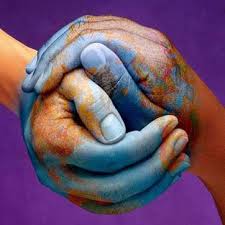
Retrieved December 7, 2014. (Google Images Economical Globalization, n.d.)
With the increase of policies and borders opening up for exchanges between countries, we see the development of certain organizations. These organizations include the World Trade Organization and the European Union. We also begin to see certain policies and agreements come into play such as the North American Free Trade Agreement and the International Monetary Fund and World Bank Policies (2014).
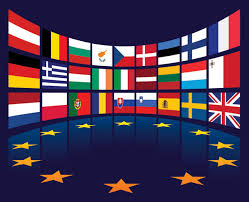
Retrieved December 7, 2014.
(Google Images European Union, n.d.)
Retrieved December 7, 2014
(Google Images World Trade Organization, n.d.)
“Social justice advocates argue that globalization has provided an opportunity to focus global attention on previously-neglected issues (such as corruption and lack of transparency in certain countries) and on issues arising from globalization itself, such as the accountability of international organizations and the costs and benefits of globalization to the world's poorest people”(World Health Organization, 2014).
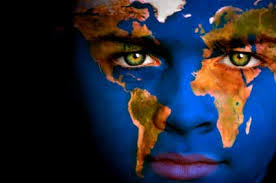
Retrieved December 7, 2014. (Google Images Globalization, n.d.)
